Newsletter 37 – CrossAsia Sommernews: Halbjahres-Highlights und Ausblick auf einen spannenden Herbst
Liebe CrossAsia Nutzer:innen,
mit einem Highlight sind wir in den Sommer gestartet: Seit Juni ist der Newspaper Research Companion (NRC) als ganz neuer Service von CrossAsia im Early Access verfügbar. Die KI-gestützte Rechercheplattform gestaltet den Zugang zu großen digitalisierten Zeitungsarchiven grundlegend neu.
Aktuell läuft noch bis zum 10. August unsere CrossAsia Community-Umfrage. Ihre Meinung zählt! Bitte nehmen Sie sich 10-15 Minuten Zeit für die Teilnahme und helfen Sie uns, unsere Informationsangebote weiter zu verbessern.
Und bereits heute ein „Save the Date“ für den Herbst: Am 3. November 2026 findet das nächste virtuelle CrossAsia User Meeting statt. Wir wollen wieder direkt mit Ihnen ins Gespräch kommen.
Dieses und noch sehr viel mehr im aktuellen Newsletter.
Viel Spaß beim Lesen und Stöbern und einen schönen Sommer wünscht Ihnen,
Ihr CrossAsia Team
Newspaper Research Companion: Early Access Launch
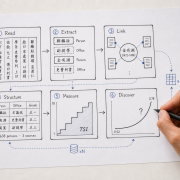
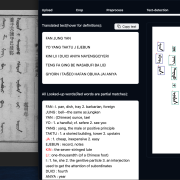
Im Juni ist mit dem Newspaper Research Companion (NRC) ein völlig neuer Service von CrossAsia an den Start gegangen. Die KI-gestützte Plattform ermöglicht es Forschenden, historische Zeitungsbestände sprachübergreifend zu durchsuchen, zu lesen und zu analysieren – und das durchgehend in der eigenen Sprache. Der NRC geht damit über einen reinen Schlagwortabgleich hinaus: Er interpretiert die Intention einer Frage und findet gezielt für das Forschungsvorhaben relevante Materialien, bietet kurze Zusammenfassungen der Artikel in der gewünschten Sprache und analytische Erkenntnisse unter Berücksichtigung der zentralen Treffer. Informationen zur Methodik und den wichtigsten Funktionen des NRC finden Sie auf unserem Blog und auf der Webseite Nach ersten Workshops und Schulungen folgen weitere Angebote im Wintersemester.
Der NRC befindet sich in der Ausbauphase. Wir erweitern die verfügbaren Ressourcen fortlaufend und optimieren Design und Funktionen. Dafür brauchen wir auch Ihre Expertise. Sie arbeiten in Ihrer Forschung oder im Studium mit Zeitungsmaterial? Wir suchen Testpersonen für Nutzungsinterviews (ca. 15 Minuten). Bei Interesse melden Sie sich gern per E-Mail bei uns: x-asia@sbb.spk-berlin.de. Ihr Feedback fließt direkt in die Weiterentwicklung des NRC ein.
Das Projekt wurde unterstützt vom Beauftragten der Bundesregierung für Kultur und Medien.
CrossAsia Community Umfrage bis 10. August und User Meeting am 3. November 2026
Nach einer maximal zwölfjährigen Förderdauer der Fachinformationsdienste (FID) durch die DFG steht für den FID Asien/CrossAsia ab 2028 der Wechsel in das neue DFG-Programm „Fachinformationsdienste für die Wissenschaft – Plus“ an. Eine längere Förderperspektive sichert die Services und ihre kontinuierliche Weiterentwicklung besser ab. In Vorbereitung auf den FIDplus Antrag ist Ihr Feedback gefragt!
Bitte nehmen Sie sich 10-15 Minuten Zeit für die Teilnahme an der anonymen Umfrage und helfen Sie uns, die Informationsangebote und Services für die asienbezogene Forschung kontinuierlich zu verbessern. Die Ergebnisse der Umfrage veröffentlichen wir später auf unserem Blog. Leiten Sie den Umfragelink bitte auch innerhalb Ihrer Netzwerke unter Studierenden und Forschenden in den Asienwissenschaften weiter.
Außerdem wollen wir auch in diesem Jahr wieder persönlich mit Ihnen ins Gespräch kommen. Unser virtuelles CrossAsia User Meeting findet am 3. November von 18.00 – 19.30 Uhr statt. Gestalten Sie CrossAsia mit: Ihre Bedarfe und Anregungen fließen in unsere Planungen für die neue Förderphase mit ein. Einladung und Programm verschicken wir im September. Wenn Sie schon jetzt eigene Themenvorschläge einbringen wollen, schreiben Sie uns: x-asia@sbb.spk-berlin.de.
CrossAsia News: Datenbanken
- Zwei neue Datenbanken von Adam Matthew lizenziert: Church Missionary Society Archive und Missionary Studies, zwei Volltextdatenbanken, bei denen der Blick auf die gescannten Archivalien möglich ist. Mehr zu den Inhalten dieser Forschungsressourcen finden Sie im Blogbeitrag.
- Neu lizenziert: Korea Pro, eine Plattform mit englischsprachigen Nachrichtenartikeln und Analysen zur südkoreanischen Außenpolitik, Politik und Wirtschaft. Zusammen mit unseren bestehenden Abonnements von NK News & Pro sowie KCNA Watch steht CrossAsia-Nutzer:innen nun das vollständige Angebot der Korea Risk Group zur Verfügung.
- Zwei weitere Segmente aus dem Bereich „JKBooks“ der Datenbank JapanKnowledge, wurden lizenziert: Die Nanbokuchō Ibun 南北朝遺文 und Teil 4 von Shiryō Sanshū 史料纂集 (第4期). Bei beiden Inhalten handelt es sich um Materialsammlungen historischer Dokumente aus unterschiedlichen Zeitperioden.
Bitte beachten Sie: JapanKnowledge ist voraussichtlich vom 21.-24. August 2026 wegen eines umfangreichen Renewal nicht zugänglich. Weitere Informationen dazu finden Sie auf unserem Blog. - VIP Weipu 维普 als primäre Datenbank für chinesische Fachzeitschriften: Über den Wechsel von China Academic Journals (CAJ) zu VIP Weipu haben wir mehrfach berichtet. Alle wesentlichen Informationen und Nutzungshinweise haben wir in einem Blogbeitrag Einen Überblick über die wichtigsten Unterschiede zwischen CAJ/CNKI und Weipu finden Sie als PDF-Download in unseren Classroom-Materialien. Kontaktieren Sie uns jederzeit, sollten Sie Probleme bei der Recherche, dem Zugang oder der Funktionalität von Weipu haben.
CrossAsia Veranstaltungshighlights
CrossAsia Talks – Fortsetzung im September
Die CrossAsia Talks sind in der Sommerpause. Freuen Sie sich schon jetzt auf ein neues spannendes Programm ab Herbst.
Den Auftakt macht Svitlana Shiells (Freie Kunsthistorikerin) am 17. September 2026. In ihrem Onlinevortrag „Gustav Klimt and Hokusai: Reframing Japonisme in Fin-de-Siècle Vienna“ geht sie der Verbindung zwischen Gustav Klimt und Katsushika Hokusai auf den Grund und zeigt, wie tief die japanische Kunst das Schaffen des Wiener Secessionisten geprägt hat.
Am 24. September 2026 nimmt uns Prof. Trent Walker (University of Michigan) in seinem Onlinevortrag „Buddhist Narratives in Early Modern Southeast Asia: Insights from the Digital Library of Lao Manuscripts“ mit in die faszinierende Welt der buddhistischen Erzähltraditionen im frühneuzeitlichen Südostasien.
Ab Oktober ist die Mongolei regionaler Schwerpunkt mehrerer CrossAsia Talks (siehe unten).
Am 3. Dezember 2026 beleuchtet Joshua A. Fogel (York University, Kanada) in seinem Onlinevortrag „Back to Babel: The Esperanto Movements in Japan and China“ die faszinierende Geschichte der Esperanto-Bewegung in Ostasien und ihre ganz unterschiedlichen Entwicklungen in Japan und China im frühen 20. Jahrhundert.
Kommende Vorträge und ein Überblick über alle bisherigen Veranstaltungen finden Sie auf unserer Webseite. Videos vergangener Vorträge finden Sie auch in unserer CrossAsia Talks Playlist auf Youtube zum Nachschauen und -hören.
Die Mongolei im Rampenlicht: CrossAsia Rahmenprogramm zur Ausstellung „Dschingis Khan und die Welt der Mongolen“
Vom 21. Oktober 2026 bis 18. April 2027 zeigt die James-Simon-Galerie auf der Museumsinsel in Berlin die Ausstellung „Dschingis Khan und die Welt der Mongolen“. Parallel dazu nehmen Werke aus der Mongolei von Oktober bis Dezember Platz in der Vitrine in der Schatzkammer des Stabi Kulturwerks. Bis Anfang Oktober ist dort übrigens noch die Abhandlung über die Typologie von Elefanten (Hs. or. 6570) zu bewundern, ein prachtvolles aus Thailand stammendes Leporello. Ein Besuch lohnt sich!
CrossAsia begleitet die Ausstellung mit einem Rahmenprogramm und rückt die Mongolei im Herbst und Winter thematisch in den Fokus vieler Veranstaltungen.
Tauchen Sie ein in buddhistische Unterwelten: Am 21. Oktober stellen wir mongolische und tibetische Höllenfahrtstexte vor. Die Objekte sind eindrucksvolle Zeugnisse religiöser Praxis und kulturellen Austauschs. Sie können die handgeschriebenen Manuskripte und Blockdrucke aus nächster Nähe betrachten und dabei Einblicke in ihre Überlieferungswege, Sammlungskontexte und wissenschaftliche Erschließung gewinnen. Diese Veranstaltung ist Teil der Reihe „Im Fokus: Auf Entdeckungsreise durch unsere Sammlungen“. Sie findet in der Stabi Unter den Linden in Berlin statt. Eine Anmeldung ist erforderlich.
Am 26. Oktober 2026 beleuchtet PD Dr. Philipp Kohl (LMU München) im CrossAsia Talk eine ebenso unerwartete wie aufschlussreiche Episode der Wissenschaftsgeschichte. In „Counter-Revolutionary Dinosaurs“: A Popular History of the Gobi Paleontological Expeditions under Socialism“ hören wir, wie Dinosaurierfunde in der Wüste Gobi zwischen sowjetischer Ideologie, mongolischer Literatur und polnischem Forschungsehrgeiz zum Politikum wurden.
Die Staatsbibliothek zu Berlin lädt herzlich zum Vortragsnachmittag „Aktuelle Entwicklungen in der Mongolei“ am 31. Oktober 2026 ab 13:30 Uhr im Simon-Bolivar-Saal (Stabi Potsdamer Str. 33) ein. Organisiert wird die Veranstaltung von der Deutsch-Mongolischen Gesellschaft, die an diesem Tag ihre Jahrestagung in der Staatsbibliothek abhält und ihren traditionellen Vortragsnachmittag für interessierte Gäste der Staatsbibliothek öffnet. Freuen Sie sich auf Einblicke renommierter Mongolist:innen in aktuelle politische und wirtschaftliche Themen.
Im Rahmen der internationalen Konferenz „Reframing Tibetan and Mongol Mapmaking Practices“ hält Isabelle Charleux (CNRS, Paris) am 26. November 2026 um 18 Uhr im Fontane-Saal der Staatsbibliothek zu Berlin (Unter den Linden 8) eine öffentliche Keynote zum Thema „Representing the Sino-Mongol Frontier in the Late Qing Period: Mongol and Qing Chinese perspectives.“ Die Konferenz findet vom 26.–28. November 2026 statt, organisiert von der HU Berlin, der Georgetown University in Qatar und der Stabi Berlin.
Im CrossAsia Talk am 28. Januar 2027 spricht Bolormaa Blodbaatar (Universität Bonn) in ihrem Onlinevortrag „Imagery in the facade decoration of the Chinggis Khan Museum – the conveyed meaning“ über die Bildsprache und symbolische Bedeutung der Fassadendekoration des Chinggis Khan Museums in Ulaanbaatar.
Schlaglichter auf unsere Veranstaltungen im ersten Halbjahr 2026
Unsere diesjährige DH Lunchtalks Veranstaltungsreihe ist im Sommer erfolgreich zu Ende gegangen. Von Februar bis Juni präsentierten internationale Forscher:innen in sechs Vorträgen ihre aktuellen Forschungsprojekte und Tools für die digitalen Wissenschaften. Mit dieser Reihe bietet CrossAsia Raum, neueste Entwicklungen im Bereich der Digital Humanities sichtbar zu machen und sich zu vernetzen. Das setzen wir fort und informieren rechtzeitig über unsere kommenden Veranstaltungen und Initiativen.
Vom 3. bis 6. Juni haben wir zusammen mit der Freien Universität Berlin das Jahrestreffen des European Network of Korean Resources Specialists (ENKRS) in Berlin ausgerichtet. Die Expert:innen diskutierten über die Wechselbeziehungen zwischen historischen Sammlungen, digitaler Forschung und neuen Technologien im Bereich der Koreanistik. Rund 50 Bibliothekar:innen, Archivar:innen und Wissenschaftler:innen aus Europa, Korea und Nordamerika haben teilgenommen.
Materialien der Stabi aus dem Kriegsgefangenenlager Bandō (Japan) waren am 10. Juni das Thema der bereits erwähnten Veranstaltungsreiche: „Im Fokus: Auf Entdeckungsreise durch unsere Sammlungen“, in der jeden Monat ausgewählte Objekte aus den Sammlungen der Stabi aus unmittelbarer Nähe angesehen werden können.
CrossAsia Classroom
Unser Schulungsprogramm geht im Wintersemesters 2026/27 weiter. Alle Informationen dazu veröffentlichen wir rechtzeitig zu Semesterbeginn auf unserer Webseite, über die Mailingliste und unsere Social Media Kanäle auf Bluesky und Mastodon. Kommen Sie gern auf uns zu, wenn Sie Bedarf an speziellen Schulungen für Ihr Institut oder ein Seminar haben. Wir berücksichtigen es bestmöglich in unserer Planung. Aktuell evaluieren wir unser Classroom-Programm mit einem kurzen Online-Fragebogen. Den Link erhalten alle Teilnehmenden jeweils am Ende der Schulungstermine. Auch hier freuen wir uns über Ihre rege Beteiligung. Damit helfen Sie, unser Schulungsangebot möglichst passgenau an Ihren Bedarfen auszurichten.
CrossAsia Open Access Repository
Das CrossAsia Open Access Repository leistet einen wichtigen Beitrag zur Förderung und stärkeren Verankerung von Open Access in den asienbezogenen Wissenschaften und steht allen Forschenden und insbesondere den universitären wie außeruniversitären Forschungseinrichtungen offen. Das Repository wächst kontinuierlich. Derzeit sind insgesamt fast 550 Dokumente online. Zur Liste der seit Anfang 2026 hinzugekommenen Beiträge gelangen Sie über diesen Link.
Wir freuen uns über weitere Beiträge für das Repository. Bei Fragen finden Sie Informationen auf der Webseite oder schreiben Sie uns gerne direkt an x-asia@sbb.spk-berlin.de.
Einschränkungen im Benutzungsbetrieb während des Sommers
Am 1. Juli 2026 haben die Vorbereitungen für die Umzüge der Sondersammlungen der Orient- und der Ostasienabteilung im Rahmen der anstehenden Generalsanierung des Gebäudes an der Potsdamer Straße begonnen. Bis voraussichtlich einschließlich Oktober 2026 wird deshalb kein Benutzungsbetrieb für asiatische Handschriften, vormoderne Drucke und andere von uns bewahrte Sondermaterialien stattfinden können. Das betrifft auch Reproduktionsaufträge (wie z. B. über den CrossAsia Service Digitisation on Demand), die in diesem Zeitraum nicht oder nur stark eingeschränkt bearbeitet werden können. Wir bitten unsere Nutzerinnen und Nutzer für diese leider unvermeidbaren Einschränkungen um Verständnis. Über den Zeitpunkt der Wiederaufnahme des Benutzungsbetriebs – voraussichtlich ab November 2026 – werden wir rechtzeitig informieren.
Meet CrossAsia
Kommen Sie persönlich mit uns ins Gespräch! Nach unserer Teilnahme mit einem CrossAsia Stand an der Association for Asian Studies Annual Conference im März in Vancouver und der EACS Ende Juli in Venedig, auf denen wir viele interessante und anregende Gespräche mit vielen von Ihnen führen konnten, wird unser Team auch auf folgenden Konferenzen vertreten sein:
- 23.-29. August 2026: 17th Seminar of the International Association for Tibetan Studies (IATS) 2026 in Kathmandu, Nepal
- 1.-3. September 2026: 14th conference of the European Association for Southeast Asian Studies (EuroSEAS) in Madrid, Spanien
- 1.-4. September 2026: The 36th European Association of Japanese Resource Specialists (EAJRS) Conference in Leiden, Niederlande, einschließlich Pre-conference event von EAJRS und National Institute for the Humanities (NIHU) am 31. August 2026
- 2.-4. September 2026: European Association of Sinological Librarians (EASL) Annual Conference in Heidelberg
Visuelle Einblicke in unsere Sammlungen
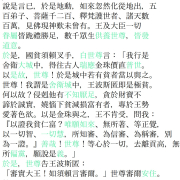
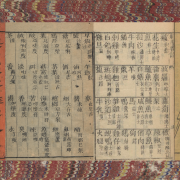
*Unser Newsletterbild ist das neue Bild auf der CrossAsia Startseite. Die vier ausgewählten Seiten stammen aus Lehrheften zum Erlernen des Pidgin und Kreolischen. Zu sehen sind die Heftcover und je eine Beispielseite mit Vokabeln für Lebensmittel in der Kreolsprache Macaos (澳門番語雜字全本, Libri sin. N.S. 849) und dem Chinesischen Pidgin-Englisch (紅毛畨話貿易湏知, Hirth 96-5). Beide publiziert in 廣州 und von Takata Tokio in unserem Jubiläumsband erforscht.
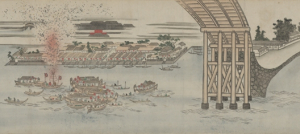
Passend zum Sommer: Ein Feuerwerk auf dem Sumidagawa. In Japan gehören Feuerwerke zu den typischen Sommer Events. Das Bild zeigt einen Ausschnitt aus einer Darstellung des westlichen Ufers des Sumida Flusses in Edo (heute Tokio). Im Bestand der Stabi ist eine von zwei Rollen. Schauen Sie auch gern in unserem Themenportal „Japanische Querrollen“ vorbei und navigieren Sie durch die digitalisierten Objekte.
Viel Spaß beim Stöbern!
Vielen Dank für Ihr Interesse und Ihre Unterstützung. Wir wünschen Ihnen einen schönen Sommer und freuen uns auf einen vielfältigen Herbst mit Ihnen!
Ihr CrossAsia Team