

Neue Lizenz für elektronische Zeitschriften aus der VR China – Weipu 维普
—- English Below —-
Um die Versorgung mit VR chinesischen elektronischen Zeitschriften weiterhin sicherstellen zu können, haben wir einen Lizenzvertrag mit Weipu 维普 (mit vollem Namen VIP 维普) abgeschlossen. Wir haben schon mehrfach über den Anbieter im Blog berichtet. Das Portal bietet über 70 Millionen Artikel aus 15 Tausend+ Zeitschriften, z.T. ab dem Erscheinungsjahr 1955. Weipu unterscheidet sich von CAJ sowohl im Hinblick auf die Zusammenstellung als auch die Bedienung.
Keine Volltextsuche
任意字段, die Suche in allen Feldern, schließt den Volltext nicht ein. In den herunterladbaren PDF ist der Volltext enthalten.
Drei Zugangsarten
Es gibt drei Typen von Artikeln bei Weipu, die man schon in der Trefferübersicht anhand des Link-Labels unterscheiden kann:
- Artikel, die die direkt heruntergeladen bzw. online gelesen werden können:

- OpenAccess Artikel:
 Hier führt der Link zum Artikel in der Anbieterplattform des OA-Journal, in vielen Fällen zur National Social Science Database. Oft gibt es hier zusätzlich die Möglichkeit des direkten Downloads (wie unter 1.) oder aber die Artikel können über CALIS bestellt werden.
 - Artikel, die nicht direkt heruntergeladen werden, sondern bestellt werden müssen:
Diese Artikel haben in der Trefferübersicht keinen Zugriffs-Button; nach dem Aufruf der Artikelübersicht wird hier die Funktion „Interlibary
loan“ (ILL) angezeigt.
 Um diesen nutzen zu können, muss man sich zuerst einen individuellen Account anlegen (man erhält beim Modus 邮箱注册 eine E-Mail, mit der man die Existenz des Accounts bestätigen muss). Bitte auch im Spam-Ordner danach schauen. Beim ersten Auslösen eines ILL wird man dann automatisch dazu aufgefordert, diesen Account mit CrossAsia zu verknüpfen. Beim Auslösen einer ILL-Bestellung muss dann noch einmal die E-Mail-Adresse eingetragen werden, an die der Artikel verschickt werden soll. Im eigenen Konto gibt es eine Übersicht der bestellten Artikel und deren Status. Die Sanduhr markiert Titel „in Bestellung“, ein Haken markiert, dass der Titel zugestellt wurde.
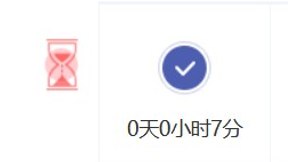 Der Anbieter sagt eine Lieferung spätestens nach 48h zu (je nach Journal).
Der Anbieter CNKI hat den bislang bestehenden Lizenzvertrag mit CrossAsia für China Academic Journals (CAJ) zum Jahresende 2023 gekündigt. CNKI kann uns – entgegen unseren Anforderungen – zukünftig weder Metadaten noch Volltextdaten zuverlässig als Archivkopie zur Verfügung stellen. Das bedeutet für CAJ, dass wir hier ab sofort nur noch den Zugriff auf Publikationen bis einschließlich 2023 anbieten können. Wir bedauern dies sehr, hoffen aber auf einen reibungslosen Übergang für Ihre Arbeit mit dem für uns neuen Portal.
In order to continue to ensure the supply of electronic journals from the PRC, we have signed a license agreement with Weipu 维普 (aka VIP 维普). We already reported on the provider several times in our blog. While the portal makes over 70 million articles from 15 thousand+ journals available, there are some changes in both composition and usage compared to CAJ.
No full-text search
任意字段, the search in all fields, does not include the full text. But the full text is included in the PDF that you can download.
Three types of access
There are three types of articles at VIP, which can be distinguished in the hit list using the link label:
- Articles that can be downloaded directly or read online
- OpenAccess articles
Here the link leads to the article in the OA Journal’s provider platform, in many cases to the National Social Science Database. You will often also see the option for direct download as under 1. or you can order via CALIS. - Articles that cannot be downloaded directly but must be ordered. These articles do not have an access button in the hit list; After calling up the item’s details view, the “Interlibary loan” (ILL) function is displayed here.In order to use this, you must first create an individual account (in the 邮箱注册 mode you will receive an email with which you must confirm the existence of the account). Please also look for it in your spam folder. When an ILL is triggered for the first time you will then automatically be asked to link this account with CrossAsia. When placing an ILL order, you must then enter the email address to which the item should be sent. Under “my account” there is an overview of your orders and their status. The hourglass marks the title as “in processing”, a tick indicates that the title has been delivered.The provider promises delivery within 48 hours at the latest (depending on the journal).
In 2022, the provider CNKI terminated the existing license agreement for China Academic Journals (CAJ) with CrossAsia at the end of 2023. Contrary to our requirements, CNKI will not be able to reliably provide us with metadata or full-text data as archive copies in the future. For CAJ, this means that from now on we can only offer access to publications up to and including 2023. We very much regret this, but hope for a smooth transition for your work with the new portal for us.


Diskutieren Sie hierzu im CrossAsia Forum